

Today’s healthcare workforce looks dramatically different from previous generations, and their 401(k) expectations reflect this shift. Millennial and Gen Z healthcare workers bring distinct financial priorities, technological expectations, and career perspectives that directly influence what they want from their retirement benefits.
These younger healthcare professionals prioritize flexible contribution options, digital-first experiences, and comprehensive financial wellness resources over traditional one-size-fits-all retirement plans. Research shows that 76% of Gen Z workers actively participate in workplace retirement savings, often at higher rates than millennials did when they first entered the workforce.
Understanding these generational preferences becomes critical for healthcare organizations seeking to attract and retain top talent. Millennials focus heavily on debt repayment alongside retirement savings, while Gen Z demonstrates surprising retirement planning maturity despite being early in their careers.
Key Takeaways
- Younger healthcare workers demand technology-integrated 401(k) platforms with mobile accessibility and real-time account management
- Financial wellness education and debt management resources are essential components that complement traditional retirement savings offerings
- Flexible contribution structures and employer matching formulas better align with the varied financial situations of millennial and Gen Z employees
Understanding the 401(k) Needs of Millennials and Gen Z Healthcare Workers

Healthcare workers from younger generations face distinct financial challenges that differ from other industries, including student loan debt, irregular work schedules, and varying compensation structures. Their approach to retirement planning reflects these realities while emphasizing immediate financial stability alongside long-term savings goals.
Key Financial Priorities and Challenges
Millennial and Gen Z healthcare workers typically carry substantial student loan debt from nursing programs, medical school, or advanced healthcare degrees. This debt burden influences their 401(k) contribution decisions and overall financial planning strategies.
Emergency savings rank as a top priority for these workers. Gen Z workers have saved only $2,000 in median emergency savings, making immediate financial security more pressing than retirement contributions for many.
Healthcare workers often face irregular income patterns due to:
- Shift differentials and overtime opportunities
- Per diem or contract work arrangements
- Seasonal variations in healthcare demand
These income fluctuations make consistent 401(k) contributions challenging. Many prefer flexible contribution options that allow adjustments based on monthly earnings.
Mental health and financial wellness support appeal strongly to younger healthcare workers. Thirty percent of Gen Z participants want help managing current expenses to increase retirement savings, compared to 22% of other generations.
Unique Career Pathways in Healthcare
Healthcare careers offer multiple advancement opportunities that impact 401(k) planning needs. Entry-level positions like medical assistants or LPNs provide stepping stones to higher-paying roles requiring additional education.
Career mobility considerations include:
- Continuing education funding needs
- Certification and licensing costs
- Potential career pivots within healthcare
Many younger healthcare workers plan to pursue advanced degrees while working. They need 401(k) plans that accommodate education-related financial demands without penalties for reduced contributions during school periods.
Geographic mobility affects retirement planning for traveling nurses and healthcare professionals seeking opportunities in different states. Portable 401(k) options and consistent plan features across healthcare systems become essential.
Contract and per diem workers represent a growing segment of the healthcare workforce. These workers often lack access to traditional employer-sponsored 401(k) plans, creating gaps in retirement savings opportunities.
Attitudes Toward Retirement and Savings
Gen Z healthcare workers estimate needing $1.4 million for retirement, while Millennials target $1.8 million. These figures reflect realistic assessments of healthcare costs and longer life expectancies.
Technology integration appeals strongly to younger savers. They expect mobile apps, automated features, and digital tools for account management and investment decisions.
Automatic enrollment programs show particular success with younger healthcare workers. Generation Z and Millennials in automatic enrollment plans demonstrate stronger participation gains compared to voluntary enrollment designs.
Socially responsible investing interests many younger healthcare workers who want investments aligned with their values. ESG options within 401(k) plans attract workers committed to healthcare’s mission of improving lives.
Despite financial challenges, 71% of Generation Z workers actively save through employer-sponsored retirement plans or personal accounts. This participation rate indicates strong motivation for retirement planning when appropriate tools and support exist.
Essential 401(k) Features for Younger Healthcare Professionals

Healthcare workers in younger generations prioritize flexibility, digital accessibility, and personalized investment options in their retirement plans. These professionals seek plans that adapt to their unique financial circumstances and career progression patterns.
Flexible Contribution Options
Younger healthcare professionals need adaptable contribution structures that accommodate their variable income patterns. Many start with lower salaries during residencies and fellowships before experiencing significant income increases.
Automatic escalation features prove particularly valuable for this demographic. These tools increase contribution rates as salaries grow, helping professionals maximize retirement savings without constant manual adjustments.
Multiple contribution frequencies beyond standard payroll deductions appeal to healthcare workers with irregular schedules. Some prefer quarterly or semi-annual contributions to align with bonus payments or contract renewals.
Catch-up contribution options benefit younger professionals who delayed retirement savings due to extended education periods. These features allow accelerated savings once their earning potential increases.
Emergency withdrawal provisions address the financial uncertainties common in healthcare careers. Gen Z workers show particular interest in plans offering hardship withdrawals for student loan payments or unexpected medical expenses.
Modern Digital Tools and Access
Digital accessibility ranks as a top priority for millennial and Gen Z healthcare workers who expect seamless online experiences. Mobile-optimized platforms accommodate their busy schedules and preference for on-demand information access.
Real-time account monitoring through smartphone apps allows professionals to track performance during breaks between patient care duties. These tools should provide instant balance updates and contribution tracking.
Automated investment rebalancing appeals to time-constrained healthcare workers who lack bandwidth for active portfolio management. Algorithm-driven rebalancing maintains target allocations without requiring manual intervention.
Digital education resources including webinars, video tutorials, and interactive calculators help younger workers build retirement planning knowledge. These materials must be accessible outside traditional business hours.
Integration capabilities with popular financial apps and budgeting tools streamline overall financial management. Younger professionals prefer consolidated views of their complete financial picture.
Employer Matching Preferences
Employer matching structures significantly influence plan participation among younger healthcare professionals. Immediate vesting schedules prove more attractive than traditional graded vesting for workers who frequently change employers early in their careers.
Dollar-for-dollar matching on initial contribution percentages maximizes immediate returns. Many younger workers prioritize guaranteed returns over complex matching formulas.
Matching contributions to Roth 401(k) options provide tax diversification benefits that appeal to professionals expecting higher future tax rates. This feature accommodates long-term tax planning strategies.
Extended matching periods beyond standard pay periods accommodate irregular work schedules common in healthcare settings. Some professionals prefer annual true-up matching calculations.
Customization and Personalization
Younger healthcare professionals seek retirement plans that reflect their individual financial goals and risk tolerance preferences. Generic investment lineups fail to address their diverse needs and career trajectories.
Target-date fund varieties spanning different retirement ages and risk profiles accommodate varying career start dates. Healthcare workers often begin saving later due to extended education requirements.
ESG investment options attract younger professionals who prioritize socially responsible investing. These funds align retirement savings with personal values regarding environmental and social issues.
Financial wellness programs integrated with 401(k) platforms address broader financial challenges. Student loan repayment assistance and debt management tools prove particularly valuable for this demographic.
Personalized investment advice through robo-advisors or human advisors helps younger workers navigate complex investment decisions. Many prefer hybrid models combining digital tools with human expertise access.
Strategies for Engaging and Retaining Millennial and Gen Z Employees
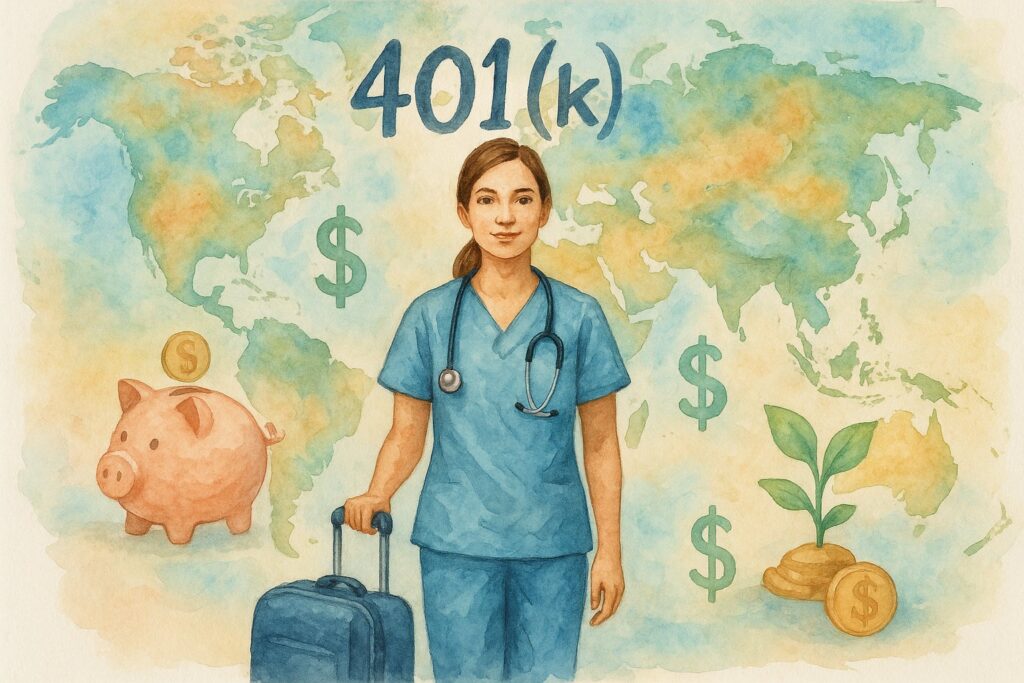
Healthcare organizations must implement targeted approaches that address younger generations’ distinct preferences for financial education, transparent communication, and inclusive retirement planning. These strategies focus on building trust through clear guidance and creating equitable opportunities for all employees.
Targeted Education and Financial Wellness Programs
Millennial and Gen Z employees respond best to interactive and experiential learning formats rather than traditional presentations. Healthcare employers should implement digital-first education platforms that offer bite-sized modules, video content, and interactive calculators.
Financial wellness programs must address immediate concerns like student loan debt management alongside long-term retirement planning. Organizations can partner with financial advisors to provide one-on-one consultations specifically for younger employees.
Key program components include:
- Mobile-friendly retirement planning apps
- Gamified savings challenges with employer matching incentives
- Quarterly webinars focused on age-specific financial milestones
- Peer-to-peer learning sessions led by slightly older employees
These programs work best when integrated with existing employee assistance programs. Healthcare organizations should track engagement metrics and adjust content based on participation rates and feedback.
Transparent Communication and Support
Younger healthcare workers demand clear, frequent communication about their retirement benefits. They expect real-time access to account information and straightforward explanations of complex financial concepts.
Organizations must eliminate industry jargon and provide plain-language summaries of plan features. Regular email updates, text message reminders, and personalized statements help maintain engagement throughout the year.
Support systems should include multiple contact methods:
- Live chat functionality during business hours
- Video call consultations with retirement specialists
- FAQ sections addressing common concerns
- Mobile notifications for important deadlines
Healthcare employers should also provide annual benefit fairs with dedicated retirement planning stations. These events allow face-to-face interactions that build trust and encourage participation among younger employees.
Promoting Diversity, Equity, and Inclusion in Retirement Plans
Millennial and Gen Z healthcare workers prioritize working for organizations that demonstrate commitment to diversity, equity, and inclusion. Retirement plans must reflect these values through accessible design and equitable participation opportunities.
Plan administrators should analyze participation rates across different demographic groups and address barriers that prevent equal access. This includes offering multiple contribution levels, varied investment options, and culturally sensitive educational materials.
DEI initiatives in retirement planning include:
- Multilingual educational resources and support materials
- Flexible contribution schedules accommodating different pay structures
- Investment options that align with environmental and social values
- Mentorship programs pairing senior and junior employees
Healthcare organizations should regularly survey employees about their retirement planning needs and adjust programs accordingly. Transparent reporting on participation demographics demonstrates organizational commitment to equitable outcomes for all workers.
Future Trends in Generational Planning for Healthcare 401(k)s

Healthcare 401(k) plans are evolving to meet distinct generational preferences through sustainable investing options, digital-first management platforms, and flexible benefit structures that accommodate remote work arrangements.
Integration of ESG Investing
Healthcare organizations are increasingly incorporating Environmental, Social, and Governance (ESG) investment options into their 401(k) menus. 76% of Gen Z workers are actively saving for retirement, with many prioritizing investments that align with their values.
Millennials show the strongest preference for ESG funds among all generations. They seek healthcare employers who offer sustainable investment choices within retirement plans.
Healthcare systems are responding by adding ESG target-date funds and sector-specific options. These include healthcare innovation funds focused on sustainable medical technology and pharmaceutical companies with strong environmental practices.
Key ESG Integration Areas:
- Clean energy healthcare facility funds
- Pharmaceutical companies with ethical drug pricing
- Medical device manufacturers using sustainable materials
- Healthcare REITs with green building certifications
Plan sponsors are also providing educational resources about ESG investing. They emphasize how these options can deliver competitive returns while supporting participants’ social values.
The trend extends beyond fund selection to proxy voting and shareholder engagement. Healthcare 401(k) plans increasingly offer participants input on how their retirement assets vote on corporate governance issues.
Emerging Technologies in Plan Management
Digital-first platforms are transforming how healthcare workers interact with their 401(k) plans. Gen Z workers contribute to 401(k) plans at higher rates than previous generations, driving demand for mobile-optimized experiences.
Artificial intelligence now powers personalized retirement planning recommendations. These systems analyze individual healthcare worker salary patterns, shift differentials, and career progression paths to optimize contribution strategies.
Technology Integration Features:
- Mobile apps with biometric login
- Real-time contribution adjustments
- AI-powered investment rebalancing
- Integration with hospital payroll systems
Robo-advisors specifically designed for healthcare professionals are emerging. They account for unique factors like student loan debt from medical school and irregular income from per diem work.
Blockchain technology is being tested for secure benefit portability. This allows healthcare workers to seamlessly transfer 401(k) assets when changing hospitals or health systems.
Virtual reality financial education modules are pilot-tested in major healthcare systems. They simulate retirement scenarios and help workers visualize long-term financial outcomes.
Impact of Evolving Workplace Cultures
Remote work capabilities in healthcare administration are reshaping 401(k) benefit expectations. Current financial priorities for Gen Z include paying off debt (55%) while simultaneously building retirement savings.
Healthcare organizations are adopting flexible benefit structures that accommodate diverse work arrangements. This includes varying contribution schedules for travel nurses and locum tenens physicians.
Workplace Culture Adaptations:
- Flexible enrollment periods for contract workers
- Digital-only education sessions
- Peer-to-peer financial mentoring programs
- Integration with wellness platforms
Multi-generational workforces in healthcare require diverse communication strategies. Gen Z prefers text-based notifications about their 401(k), while Baby Boomers favor printed statements and phone consultations.
Healthcare employers are implementing graduated auto-enrollment features. These start conservative for debt-burdened younger workers and increase contributions as career progression typically reduces debt burdens.
The gig economy’s growth in healthcare is driving portable benefit innovations. Some health systems now offer 401(k) participation to per diem staff and independent contractors.
Mental health support integration with financial wellness is becoming standard. Healthcare workers experiencing burnout receive targeted resources linking financial security to career sustainability.
Frequently Asked Questions
Healthcare professionals from younger generations approach 401(k) planning with distinct preferences that differ from previous generations. These workers prioritize technology integration, sustainable investment options, and flexible contribution structures that accommodate their unique financial challenges.
What investment options do millennial and Gen Z healthcare employees typically look for in a 401(k) plan?
Millennial and Gen Z healthcare workers prefer diversified investment portfolios with low-cost index funds and target-date funds. They seek options that provide broad market exposure without high management fees.
These generations favor plans that offer international and emerging market funds to maximize growth potential. They also value access to real estate investment trusts (REITs) and technology sector funds.
Many younger healthcare professionals look for investment options with automatic rebalancing features. This allows them to maintain their desired asset allocation without constant manual adjustments.
How important is employer matching to younger generations when selecting a 401(k) plan?
Employer matching significantly influences 401(k) participation among millennial and Gen Z healthcare workers. These generations view matching contributions as essential compensation rather than optional benefits.
Younger employees prioritize immediate vesting schedules over traditional multi-year vesting periods. They prefer plans that provide full ownership of employer contributions from day one.
Healthcare workers in these age groups often compare matching formulas when evaluating job opportunities. A competitive matching structure can be a decisive factor in employment decisions.
What are the preferred methods for Millennial and Gen Z workers to manage their 401(k) investments?
Mobile applications represent the primary management tool for younger healthcare professionals. They expect real-time account access and the ability to make changes through smartphone interfaces.
These generations prefer automated investment features like auto-enrollment and auto-escalation. They value systems that increase contribution rates automatically without requiring manual intervention.
Online educational resources and robo-advisor tools appeal to millennial and Gen Z workers. They seek platforms that provide personalized investment recommendations based on their age and risk tolerance.
How does the presence of sustainable and socially responsible investment choices in a 401(k) impact Millennials’ and Gen Z’s participation?
Environmental, social, and governance (ESG) investment options significantly increase 401(k) participation among younger healthcare workers. These generations actively seek funds that align with their personal values.
Millennials and Gen Z workers demonstrate willingness to accept potentially lower returns for socially responsible investments. They view ESG funds as long-term growth opportunities rather than sacrificing performance.
Plans that exclude fossil fuel companies or tobacco investments attract higher participation rates from younger employees. These workers appreciate the ability to invest according to their ethical beliefs.
What role does debt management play in Millennial and Gen Z healthcare professionals’ 401(k) planning?
Student loan debt significantly impacts 401(k) contribution decisions among younger healthcare workers. Many delay retirement savings until they reduce their educational debt burdens.
These generations benefit from employer programs that provide student loan repayment assistance alongside 401(k) matching. Some prefer loan payments over immediate retirement contributions.
Healthcare professionals carrying debt often start with minimal 401(k) contributions to capture employer matching. They increase contributions gradually as their debt-to-income ratios improve.
Are there specific educational tools or resources that Millennial and Gen Z workers value for their 401(k) plan decision-making?
Video-based educational content resonates strongly with younger healthcare professionals. They prefer short, engaging tutorials over lengthy written materials or traditional seminars.
Interactive calculators and planning tools help these generations visualize retirement scenarios. They value resources that demonstrate the impact of different contribution levels and investment choices.
Peer comparison tools and benchmarking resources appeal to millennial and Gen Z workers. They want to understand how their savings rates compare to others in similar positions and age groups.
Need Help? SUBMIT INQUIRY